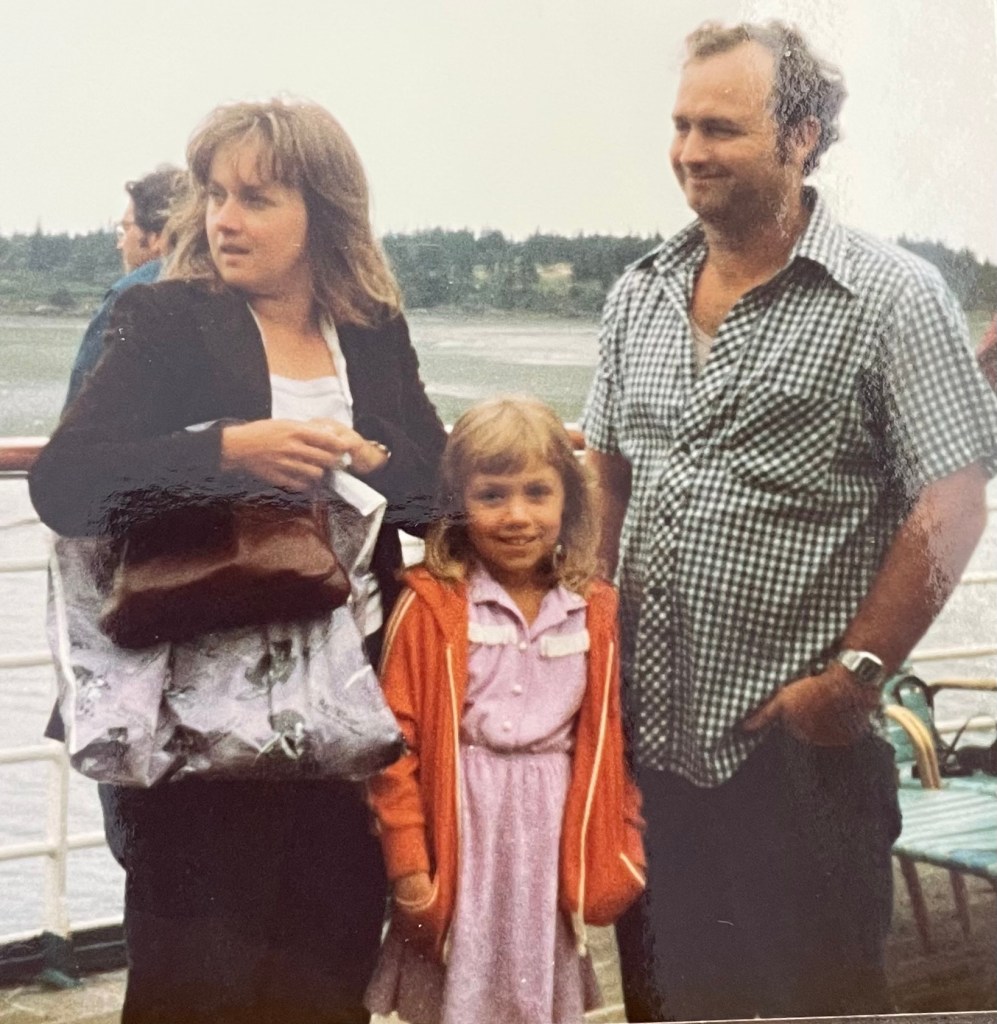
I grew up in a time when parents weren’t expected to apologize to their children.
Adults were adults.
Kids were kids.
Questioning authority usually wasn’t encouraged.
If a parent lost their temper, made a mistake, or handled something poorly, the expectation was often that everyone would simply move on.
As I reflect back on that, I don’t think that served any of us well.
When I was raising my kids, I was convinced that kids deserve apologies and explanations too.
Parents are not perfect. Quite the opposite, in fact.
We are human, raising humans.
I think we worry too much that apologizing to a child somehow weakens our authority. We think that if we admit we’re wrong, they’ll stop respecting us.
I’ve found the exact opposite to be true.
When a parent says, “I’m sorry. I shouldn’t have spoken to you that way,” they’re demonstrating that adults are accountable for their actions too. It shows children that making a mistake doesn’t define a person; what matters is acknowledging it and trying to do better.
I specifically remember telling one my kids, “I was frustrated, but that wasn’t your fault,” after I let my temper get the best of me. It helped to separate my emotions from their responsibility. That can teach children that feelings are normal, even difficult ones like frustration and those feelings don’t justify hurting someone else.
Taking responsibility and repairing relationships is an important part of emotional maturity.
I’m not professing that a single apology guarantees a child will develop emotional responsibility, but consistently modeling accountability and repair has always served me better than not. Children often learn as much from how adults recover from mistakes as they do from adults getting things right the first time.
Admitting my mistakes showed my kids that accountability isn’t something to fear. It’s simply part of being human.
What an incredible lesson that is.
They watched how I handled conflict, how I treated people when I was stressed and whether I took responsibility for my actions or looked for someone else to blame.
Every apology we give becomes a lesson they’ll carry into their own relationships one day.
Those skills don’t magically appear at age thirty.
They’re learned; usually from the people who raised us, but not always.
I had to learn many of those skills on my own as part of breaking generational patterns.
I recall telling my parents that I would not raise my children the same way they raised me.
Some of that was youthful defiance but a lot of it was simply wanting to be heard and treated like a person instead of being preached at.
Now, before anyone comes for me about parenting styles, this doesn’t mean explaining every decision for twenty minutes or negotiating every rule in the house.
Children still need boundaries and yes, parents still need to be parents.
Sometimes the answer is still no.
But there’s a huge difference between:
“Because I said so.”
And:
“The answer is no, and here’s why.”
“Because I said so” was used so often in my house growing up and if I’m being honest, I caught myself saying it sometimes too.
I hated it.
It immediately shuts down communication and often creates confusion.
If you’ve read one of my recent posts about how important it is for me to talk things out, you’ll know why that approach never sat well with me.
I much prefer explaining why I said no, it creates understanding.
Children may not always agree with our decisions, but whenever possible, they deserve to understand them.
Where are my fellow Gen Xers?
I think many of us are still carrying wounds from childhood moments we never understood.
Punishments that were never explained.
Anger that never made sense.
Apologies that never came.
Many of us have spent years learning communication skills that nobody taught us growing up.
When you stop and think about it, we’re not just raising children.
We’re raising future spouses.
Future friends.
Future coworkers.
Future parents.
Future community members.
Every conversation we have with them is helping shape how they’ll communicate with others for the rest of their lives.
The way we listen, apologize, handle conflict, show empathy, and treat them with respect becomes part of who they are. Those lessons don’t just stay within the walls of our homes—they ripple outward into every relationship they’ll ever have.
Respect has never been something I believed should only flow one way. Children deserve it too.
Looking at my own kids now, and the parents they’re becoming, I couldn’t be more proud. They are raising their children with kindness, patience, and respect. Watching those values continue into the next generation reminds me that the effort we put into breaking old patterns is never wasted.
I didn’t break every generational pattern.
But I believe I broke enough.
Enough that my children learned they could have a voice and that they knew they were loved, even when we disagreed.
They know that respect wasn’t something they had to earn—it was something they deserved.
That’s what healing is supposed to look like, not perfection, just making life a little gentler for the generation that comes after us.
As my kids grew, I realized they were watching far more than they were listening.
I’ve watched them continue that work with their own children, and it makes me realize that every difficult lesson was worth it.
Every human—regardless of age—deserves to be treated with dignity.
And sometimes the most powerful words a parent can say are:
“I’m sorry.”
What do you think? Were apologies common in your home growing up, or was “because I said so” the end of the conversation?
 The Other Side of Nice
Leave a comment